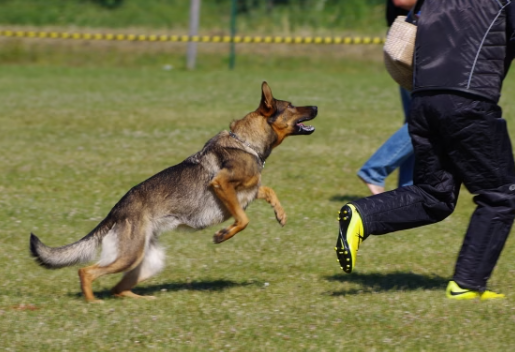
City life is a whirlwind of activity. In such settings, the need for effective protection can be more pressing than ever. One solution that has stood the test of time—albeit in a modernized form—is the use of protection dogs. While historically these animals were used to guard livestock and rural estates, today’s protection dogs are being increasingly adapted to offer security in urban areas.
These specially trained canines provide an exceptional level of safety, acting as both deterrents to potential threats and loyal companions. However, integrating these dogs into a city environment requires careful consideration, training, and planning to ensure that they thrive amidst the chaos of city living. This article explores the role of protection dogs in urban settings, highlighting the advantages they bring and the unique factors that must be considered when introducing them to city life.
The Changing Role of Protection Dogs in Modern Cities
We learn from a professional guard dog trainer from Total K9 that traditionally, protection dogs were used in rural settings to guard large estates, livestock, or farms. They were prized for their ability to work independently, warding off predators and intruders. But as more people gravitate toward urban living, the demand for personal safety in crowded and unpredictable environments has grown. In response, the role of these dogs has evolved.
In the modern city, these animals provide an enhanced sense of security, particularly for those who may feel vulnerable in busy or unpredictable urban environments. The mere presence of a well-trained dog can deter threats before they arise. Unlike in rural settings where the dog’s role may have been primarily defensive, in urban spaces, they also offer emotional comfort to their owners while navigating bustling streets or unfamiliar areas.
These personal protection dogs bring a level of awareness and intuition that is invaluable in the city. They can sense and respond to situations that a home security system might miss, adding a dynamic layer of protection that adjusts to its environment.
Challenges of Urban Environments for Protection Dogs
While there is no doubt that these dogs excel in providing security, integrating them into urban environments can be more complex than it seems. City living presents unique challenges that rural environments do not, from the constant noise of traffic to the sheer density of people in confined spaces. The role of a protection dog in a city must be adapted to ensure that it can handle the intensity of an urban lifestyle.
One of the most significant challenges is managing the dog’s stress levels. Urban environments are full of stimuli—crowded streets, loud noises, unfamiliar smells—that can overwhelm even the most well-trained dog. A protection dog must be trained not only to recognize threats but also to remain calm in the face of constant distractions. This is where specialized urban training becomes essential. Professional trainers focus on acclimating the dog to crowded environments, teaching them how to differentiate between everyday commotion and real danger.
Additionally, space can be a concern. Many protection dog breeds, such as German Shepherds and Belgian Malinois, are large and require ample exercise. Urban environments often lack the wide-open spaces these dogs need to burn off energy. For owners in cities, regular trips to parks or dedicated exercise areas are crucial to ensuring the dog’s mental and physical health.
Tailoring Training for City Life
The process of training a dog for urban protection requires a tailored approach. A dog that excels in a rural or suburban environment may not automatically adjust to city life without specific conditioning. Urban training focuses on several key areas to prepare the dog for the complexities of a city.
First, socialization is paramount. City streets are filled with strangers, children, cyclists, and other dogs, and a well-trained protection dog must learn to navigate these situations without becoming reactive. The dog must be exposed to various urban environments, from crowded markets to public transportation systems, so they become accustomed to being in close proximity to people without perceiving everyone as a threat.
Professional trainers also focus on obedience in high-distraction settings. In a city, a dog needs to listen and respond to its owner amidst blaring horns, crowds of people, and unpredictable activity. This level of discipline ensures that the dog will only act in situations of genuine danger and not misinterpret everyday scenarios as threats.
One dog trainer explains, “Training protection dogs for city environments requires a careful balance of instinct and discipline. These dogs must remain calm and collected, even in situations where many other dogs might feel overwhelmed or anxious. That’s why urban training is so crucial—it builds their confidence and helps them differentiate between friend and foe in a bustling environment.”
The Emotional and Practical Benefits of Urban Protection Dogs
Beyond the practical aspect of security, protection dogs in urban settings provide their owners with significant emotional comfort. Living in a city can sometimes feel isolating or overwhelming, and the presence of a protective companion can make all the difference. These dogs offer their owners peace of mind, knowing that they have a trustworthy companion who is constantly aware of their surroundings.
For people who live alone or in less secure neighbourhoods, the emotional benefits are especially profound. The simple act of walking down the street with a large, well-trained dog at your side can deter potential threats without the need for confrontation. Protection dogs also offer their owners a sense of stability in an unpredictable environment, acting as both guardians and companions.
Moreover, these dogs excel at reading human emotions. They are not only trained to detect physical danger but are also highly attuned to their owners’ emotional states. In stressful urban situations, they can provide comfort, offering a calm and reassuring presence. This emotional intelligence is part of what makes protection dogs so valuable, especially in fast-paced, high-pressure environments like cities.
Legal and Ethical Considerations
While the benefits of having a protection dog in an urban environment are clear, it’s essential to address the legal and ethical considerations that come with it. Cities often have stricter regulations regarding dogs, particularly larger breeds that are commonly used for protection. Owners must ensure they are aware of local laws regarding leashing, licensing, and breed restrictions, especially in densely populated areas.
Additionally, owning a dog trained for protection comes with a heightened level of responsibility. These dogs are trained to act in high-stakes situations, but they must be controlled at all times. Owners must be confident in their ability to manage their dog in any scenario, whether it’s navigating a busy park or handling an unexpected encounter with another animal. Failing to properly control a protection dog in a public space can have serious legal consequences, not to mention the potential harm to others.
Ethically, it is also crucial to ensure that protection dogs are treated with respect and care. These animals provide a valuable service, but they should also be given the love, attention, and rest they need to thrive. While their primary role may be as protectors, they are still pets and companions who deserve to lead fulfilling, balanced lives.
Protection Dogs: A Unique Solution to Urban Security
For those seeking an extra layer of security in the city, protection dogs offer a unique solution. Their intelligence, loyalty, and instinctive ability to gauge situations make them ideally suited to urban environments when properly trained. Unlike a security system, which may offer only passive protection, a dog provides active engagement with its surroundings, alerting its owner to potential threats long before they escalate.
In the chaos of city life, where safety is often a concern, these animals bring both security and peace of mind. They act as a living, breathing line of defence, ready to react to danger but calm and composed in their everyday interactions. For many city dwellers, the presence of a well-trained protection dog can transform how they experience their environment, offering a sense of control in a world that often feels unpredictable.
Conclusion: Protection in the Urban Jungle
In cities where personal safety can feel elusive, protection dogs offer a time-honoured yet adaptable solution. Their ability to provide security, companionship, and emotional comfort makes them an increasingly attractive option for urban dwellers. While the challenges of city life may be different from those in rural or suburban areas, with the right training and care, protection dogs can thrive in an urban setting. They offer not just a sense of safety but a loyal partnership, enriching the lives of their owners as they navigate the complexities of modern city living.
For anyone considering bringing a protection dog into their urban home, the key lies in thoughtful preparation, professional training, and a commitment to the dog’s well-being. With these factors in place, protection dogs offer a level of security and emotional support that technology alone simply cannot match.