As a responsible dog owner, ensuring the safety and well-being of your furry friend is a top priority. While muzzles may sometimes be perceived negatively, they can be essential tools in various situations. In this comprehensive guide, we’ll explore the top reasons why your dog might need a muzzle and how it can benefit both your pet and those around them.
Understanding the Purpose of Dog Muzzles
What is a Dog Muzzle?
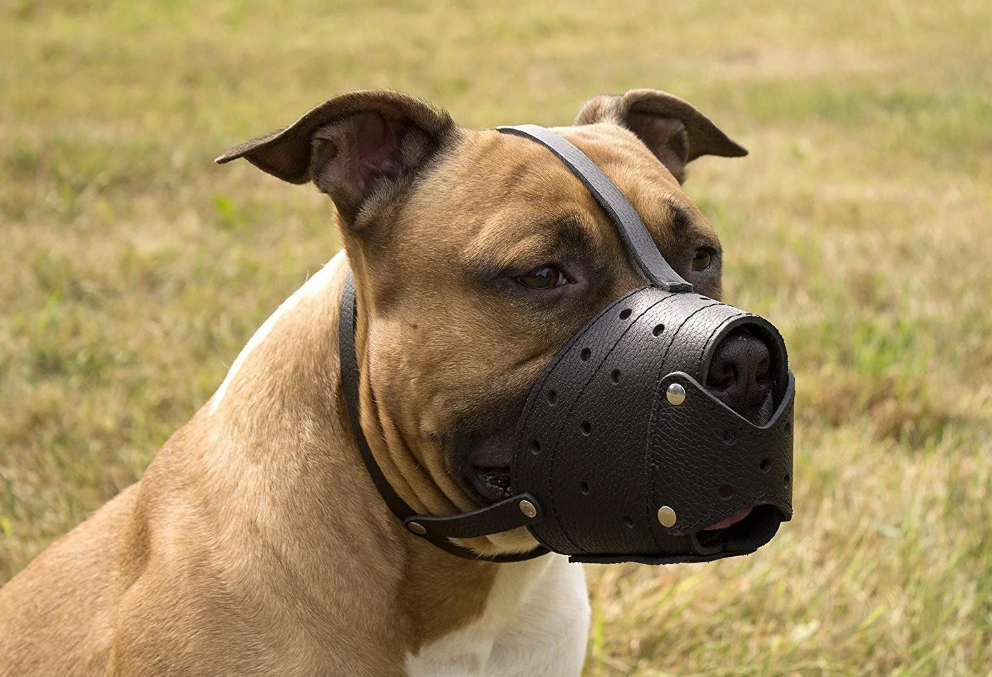
A dog muzzle is a device that fits over a dog’s snout, preventing them from biting, eating, or picking up objects. Muzzles come in various styles and materials, such as basket muzzles, soft muzzles, and leather muzzles, each designed for specific purposes.
Benefits of Using a Dog Muzzle
When used correctly, a dog muzzle can provide several benefits:
- Preventing bites and injuries
- Protecting your dog from ingesting harmful substances
- Assisting in medical emergencies or grooming sessions
- Complying with local laws and regulations
Situations Where a Dog Muzzle is Necessary
Aggressive or Reactive Behaviour
If your dog has a history of aggression or reactivity towards people or other animals, a muzzle can be a valuable tool in managing their behaviour. It allows you to work on training and socialisation while minimising the risk of bites or injuries.
Veterinary Visits and Medical Procedures
Some dogs may become anxious or aggressive during veterinary visits or medical procedures. Using a muzzle can help keep both your dog and the veterinary staff safe, allowing for a smoother and less stressful experience.
Grooming and Nail Trimming
Certain dogs may become nervous or nippy during grooming sessions or nail trimming. A muzzle can prevent accidental bites and create a safer environment for both the dog and the groomer.
Public Transportation and Travel
When travelling with your dog on public transportation or in crowded areas, a muzzle may be required by law or company policy. It ensures the safety of your dog and those around them in unfamiliar or potentially stressful situations.
Choosing the Right Muzzle for Your Dog
Types of Dog Muzzles
- Basket Muzzles: These muzzles allow your dog to pant, drink, and receive treats while preventing biting. They are ideal for extended wear and are often more comfortable for dogs.
- Soft Muzzles: Made from fabric or neoprene, soft muzzles are lightweight and suitable for short-term use. However, they restrict your dog’s ability to pant and drink.
- Leather Muzzles: Leather muzzles are durable and can be used for various purposes, but they may not be as comfortable as other options.
Proper Fit and Size
Ensuring that your dog’s muzzle fits properly is crucial for their comfort and safety. Measure your dog’s snout length and circumference to select the appropriate size. The muzzle should allow your dog to pant and drink water but prevent them from biting or removing the muzzle.
Introducing the Muzzle to Your Dog
Gradually introduce the muzzle to your dog using positive reinforcement techniques. Start by letting them sniff and investigate the muzzle, then progress to placing treats inside the muzzle to encourage them to put their snout in voluntarily. Slowly increase the duration of wear, always associating the muzzle with positive experiences.
Training and Socialization with a Muzzle
Positive Reinforcement Techniques
When training your dog to wear a muzzle, use positive reinforcement methods such as treats, praise, and toys. This helps create a positive association with the muzzle and encourages your dog to accept it willingly.
Gradual Exposure to Different Environments
Once your dog is comfortable wearing the muzzle, gradually expose them to various environments and situations while muzzled. This can include walks in the park, visits to the vet, or interactions with other dogs. Continuously monitor your dog’s comfort level and provide plenty of praise and rewards.
Addressing Underlying Behavioral Issues
While a muzzle can be a useful management tool, it’s essential to address any underlying behavioural issues that may be contributing to your dog’s need for a muzzle. Work with a professional dog trainer or behaviourist to develop a comprehensive training plan that targets the root cause of the problem.
Legal Requirements and Public Perception
Local Laws and Regulations
Some jurisdictions have specific laws or regulations regarding the use of dog muzzles in public spaces. Familiarise yourself with the local requirements to ensure compliance and avoid potential fines or legal issues.
Educating the Public About Muzzles
Unfortunately, there is often a stigma associated with dogs wearing muzzles. As a responsible owner, it’s important to educate others about the reasons behind using a muzzle and how it contributes to the safety of both your dog and the community.
Regular Cleaning and Inspection
To keep your dog’s muzzle in good condition, clean it regularly with mild soap and water. Inspect the muzzle for any signs of wear, damage, or chafing, and replace it if necessary.
Storing the Muzzle Properly
When not in use, store your dog’s muzzle in a clean, dry place away from direct sunlight. This helps maintain its shape and prevents any potential damage or deterioration.
Conclusion
In summary, there are various reasons why muzzle for dogs , including aggressive behaviour, medical procedures, grooming, and travel. By understanding the purpose and benefits of muzzles, choosing the right type and size, and incorporating positive training techniques, you can ensure a safe and comfortable experience for your furry friend. Remember to address any underlying behavioural issues and educate others about the responsible use of muzzles to promote a safer and more understanding community for all dogs and their owners.