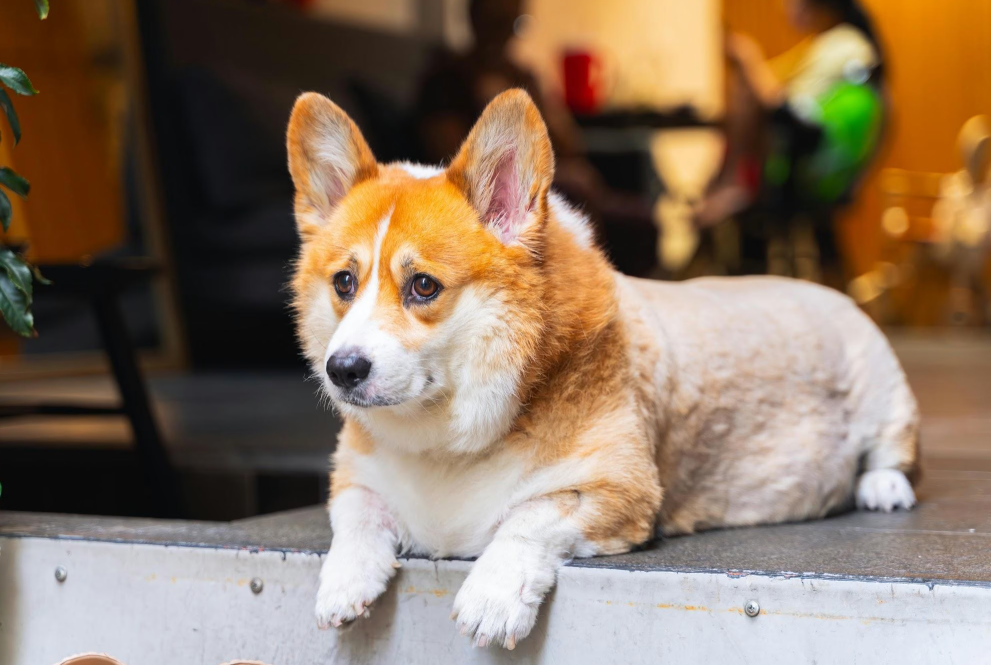
The way your dog behaves indoors is deeply shaped by your daily routines and interactions. Dogs thrive on consistency and cues from their environment, and what you do (or don’t do) each day can directly influence how they act inside your home. From exercise and feeding schedules to social interaction and stimulation, your habits set the tone for your dog’s comfort, confidence, and conduct. By becoming aware of these influences, you can make small, intentional adjustments that lead to a happier, calmer, and better-behaved canine companion.
Consistent Feeding Routines Shape Stability
Dogs are creatures of habit, and a predictable feeding schedule creates a sense of security. When mealtimes happen at consistent intervals, your dog learns when to expect food, which helps regulate their energy levels and reduces anxious pacing or begging. Irregular feeding times can lead to overeating, digestive discomfort, and behavioral issues such as food guarding. Beyond timing, your feeding practices, like where your dog eats and whether they must sit calmly before receiving food, can reinforce manners and patience. A stable routine supports physical health and contributes to balanced indoor behavior.
Daily Exercise Prevents Restlessness
Regular exercise is crucial to prevent restlessness and unwanted behaviors in dogs. Without sufficient physical activity, dogs often become bored and may express their frustration through excessive barking, chewing, or pacing indoors. A dog trainer often emphasizes the importance of tailoring exercise routines to fit the individual dog’s breed, age, and energy level to effectively channel their instincts. Activities like daily walks, playtime, or even interactive games provide an outlet for built-up energy, helping dogs relax once back inside. Incorporating consistent exercise into your daily routine benefits your dog’s physical health and promotes a calmer, more balanced temperament indoors, improving the harmony of your home environment.
Mental Stimulation Reduces Destructive Behaviors
Just like humans, dogs can become mentally restless if their minds are not engaged. Mental stimulation, through puzzle toys, scent games, or basic training exercises, keeps your dog’s brain active and discourages destructive behaviors caused by boredom. Indoor enrichment can be valuable during bad weather or when you can’t provide long outdoor activities. Even short bursts of mental challenges, such as practicing commands before dinner or hiding treats around the room, can make a big difference. Incorporating these habits into your daily routine enriches your dog’s life and leads to calmer, more content behavior indoors.
Positive Interaction Builds Trust and Good Manners
The quality of your daily interactions with your dog directly impacts their indoor behavior. Dogs look to you for cues on how to act, and consistent, positive reinforcement teaches them what is expected. Regular training sessions, even just five minutes a day, can reinforce manners like waiting at doors, not jumping on furniture uninvited, and responding to commands. Equally important is the emotional tone you set, as harsh punishment or inconsistent rules can create confusion or fear, while calm guidance and rewards foster trust. Dogs who feel secure in their relationship with their owner are more likely to behave well indoors.
Rest and Sleep Promote Calmness
Just as activity is important, so is adequate rest. Many indoor behavior problems stem from overstimulation or insufficient sleep. Dogs need more sleep than people often realize, up to 12–18 hours a day depending on age and breed. Establishing a quiet, comfortable spot where your dog can relax undisturbed helps prevent irritability and hyperactivity. Avoid overstimulating your dog late in the evening, and give them downtime after meals and exercise. A well-rested dog is healthier and more patient, tolerant, and well-mannered inside your home.
Environmental Consistency Supports Good Behavior
Your home environment plays a silent but powerful role in shaping your dog’s indoor habits. Consistent boundaries, such as designated sleeping areas, rules about furniture access, and safe spaces for alone time, help your dog understand expectations. Cluttered or chaotic spaces can lead to stress or unwanted exploration, while a calm, organized environment encourages relaxation. Even small habits, like always putting away shoes or securing trash bins, remove temptations that might trigger misbehavior. When your daily actions maintain a stable and predictable home setting, your dog feels more at ease and is more likely to display appropriate indoor behavior.
Daily habits form the foundation of your dog’s indoor behavior. From consistent feeding and exercise routines to mental stimulation and positive interactions, each aspect of your everyday care influences how your dog feels and acts inside your home. By fostering stability, providing outlets for energy and curiosity, and creating a calm environment, you set your dog up for success and harmony with your household. Remember, small, mindful changes in your routine can lead to significant improvements in your dog’s behavior, making your home a happier place.